
Colorado Hail Damage and Paintless Dent Repair in Boulder
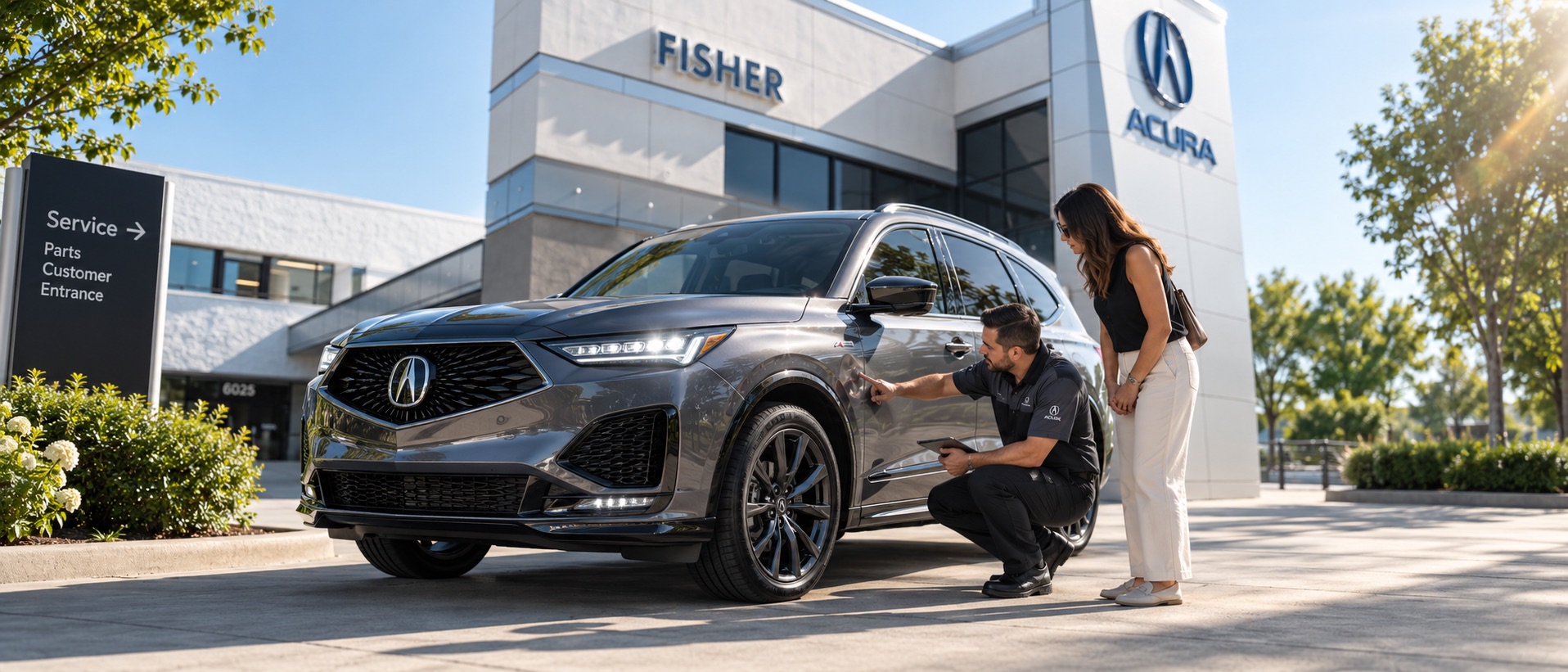
Fisher Auto Collision Center
Boulder Hail Damage Repair for Dents, Dings, and Paint Damage
When hail, a parking-lot door ding, or another impact dents your vehicle, we start by determining what the damaged panel actually needs. At Fisher Auto in Boulder, we use paintless dent repair when we can restore the metal while preserving the existing finish, then move into conventional body and paint repair when the damage requires more.
Dent Repair Starts With the Damage, Not a One-Size-Fits-All Process
Dents reach our Boulder body shop in different ways, and the repair method changes with the condition of the panel. Colorado hail can leave dozens of shallow impacts across a roof and hood. A neighboring vehicle can leave one concentrated door ding. A minor collision can combine a dent with scratches, chipped paint, or deeper body damage.
We inspect what happened first, then match the repair to the vehicle.
Hail Damage
We inspect the hood, roof, doors, fenders, quarter panels, trunk, and liftgate for visible and less-obvious impacts before deciding which dents qualify for PDR.
Door Dings and Small Dents
Parking-lot dings and smaller dents often preserve the paint but still require us to evaluate dent depth, body lines, panel edges, and access behind the damaged area.
Dents With Paint Damage
When an impact also chips, cracks, or scratches the finish, we address the body damage and the paint rather than treating PDR as the complete repair.

Your first step after a storm or dent
Start With a Professional Dent and Hail Damage Inspection
What looks like one simple dent from a few feet away does not tell us everything we need to know. Lighting, reflections, body contours, reinforcement behind the panel, and the location of the impact all affect the repair decision.
We examine the damaged surface closely before deciding whether paintless dent repair is the right approach. With widespread hail damage, we also look beyond the most obvious impacts so the repair plan reflects the actual condition of the vehicle rather than the first few dents you can see in normal daylight.
That inspection keeps you from paying for unnecessary refinishing when PDR fits the damage while also keeping us from forcing PDR onto a panel that needs conventional body or paint work.
Preserving the existing finish
What Is Paintless Dent Repair?
Paintless dent repair, or PDR, reshapes qualifying dents without covering the damaged area with body filler and repainting the panel.
Our technicians work from behind or around the damaged panel with specialized dent-repair tools and controlled pressure. Detailed PDR lighting makes subtle highs, lows, and surface distortion easier to see while the metal is being worked back toward its proper shape.
That level of visibility matters. A dent can appear gone under ordinary shop lighting while small imperfections remain visible from another angle. We use the repair process to restore the panel accurately rather than simply making the damage less noticeable.
When PDR fits the damage, you keep the original painted finish on that panel and avoid body filler and repainting that the vehicle does not need.
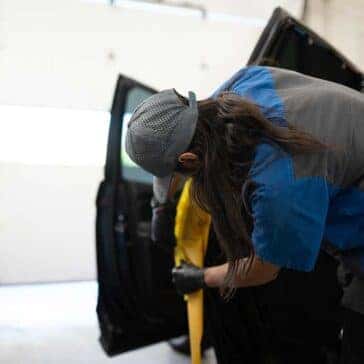
How We Decide Whether a Dent Qualifies for PDR
The number of dents alone does not decide whether paintless dent repair works. We evaluate the condition of the paint, the shape and depth of the dent, its position on the panel, and our ability to reach the damaged metal safely.
Paint Condition
An intact finish gives us a stronger starting point for PDR. Chipped, cracked, or deeply scratched paint means the repair also needs to address the finish.
Dent Depth and Shape
A shallow, gradual impact behaves differently from a sharp crease or metal that has been heavily stretched by the collision.
Panel Edges and Body Lines
A dent close to a reinforced edge, crease, or strong body line creates a different repair situation from one in an open section of the panel.
Access Behind the Dent
Trim, braces, wiring, electronics, and other components behind a panel affect how we reach the metal and which technique we use.
PDR goes beyond Colorado hailstorms
Door Dings, Parking-Lot Dents, and Other Minor Body Damage
Hail is one of the biggest reasons Boulder-area drivers search for paintless dent repair, but it is not the only reason we use the process.
A shopping cart, another vehicle’s door, or a minor parking-lot impact can leave one concentrated dent while the surrounding paint stays intact. Those smaller dents still require the same inspection discipline. We look at where the damage sits, how deeply the metal moved, whether the finish remains intact, and what is behind the panel.
When those conditions support PDR, we remove the dent while preserving the existing finish. When the location, paint damage, or shape of the impact rules PDR out, we move to the body-repair process that restores the panel properly.
Paintless Dent Repair vs. Traditional Dent Repair
We do not treat one repair method as the answer to every dent. The right choice depends on whether the damage stops with the shape of the metal or extends into the vehicle’s paint and body structure.
When the paint remains intact
Paintless Dent Repair
We reshape qualifying metal without body filler or repainting the repaired area. This makes PDR a strong fit for many hail dents, door dings, and smaller impacts where the factory finish remains undamaged.
When the damage extends beyond the dent
Conventional Body and Paint Repair
When the paint is broken, the panel is sharply creased, or the metal needs more extensive restoration, we move into the body preparation and refinishing necessary to repair the complete damaged area.
When PDR is not the complete repair
What Happens When the Dent Also Damages the Paint?
Paintless dent repair earns its name because it leaves the existing finish in place. Once an impact cracks, chips, or deeply scratches that finish, restoring the metal alone does not complete the job.
Our collision team addresses the damaged surface as part of the broader body-repair process. That includes preparing damaged areas correctly before refinishing so the repair addresses both the shape of the panel and the exterior finish you see every day.
Bumper damage creates its own repair considerations as well. When access and finish coverage require removal of the bumper or another exterior component, we perform the repair around the needs of that part rather than attempting to paint around it in place.
You do not have to determine where PDR ends and conventional repair begins. We make that decision from the condition of the damaged area.

What to Do After Your Car Is Hit by Hail
Once the storm passes and it is safe to inspect the vehicle, a few straightforward steps give you a stronger starting point for the repair process.
Check More Than the Hood
Look across the roof, hood, trunk or liftgate, doors, fenders, quarter panels, and other exposed surfaces for dents, chipped paint, cracked trim, or other visible damage.
Photograph the Damage
Take photos from several angles. Different reflections and lighting conditions reveal dents differently, especially when a storm leaves many shallow impacts across a panel.
Leave the Dent in Place Until It Is Inspected
Do not push, hammer, heat, or pull on the metal before the repair assessment. Changing the shape of the dent without understanding the panel can make a straightforward repair more complicated.
Bring the Vehicle to Our Collision Team
We identify which areas qualify for PDR, where paint or body repair is needed, and what the complete repair involves before the work moves forward.
You Do Not Need to Diagnose the Dent Before You Contact Us
Bring us the damaged vehicle. We inspect the panel, determine whether PDR fits the damage, and explain the next repair step based on what we find.
Why We Do Not Recommend DIY Paintless Dent Repair
The visible dent is only part of the job. PDR requires controlled pressure, accurate lighting, proper access, and an understanding of how the sheet metal is responding while it is being reshaped.
Overworking the Metal
Applying too much force or pushing beyond the correct contour can stretch the sheet metal and leave a distorted surface that is harder to restore.
Missing Surface Distortion
A dent that looks flat from one angle can still show highs, lows, and ripples under different lighting. PDR lighting lets us monitor those changes throughout the repair.
Damaging Trim or Components
Accessing the backside of a dent can place trim, wiring, electronics, clips, and interior components in the repair path. We account for those components before working the panel.
Insurance-supported collision repair
Hail Damage Repair and Insurance Claims
One small door ding and a vehicle covered with storm damage create very different repair situations. When an applicable insurance policy is involved, Fisher Auto works with most major insurance companies as the repair process moves forward.
Your insurer determines your coverage, deductible, and claim terms. We focus on the vehicle: inspecting the damage, identifying the required repair methods, documenting what we find, and explaining what the body needs to be restored properly.
That becomes especially important after a Colorado hailstorm because an estimate needs to account for damage spread across multiple panels, not simply the most visible dents on the hood.
What Our Repair Assessment Covers
Which exterior panels show hail or dent damage.
Which areas qualify for paintless dent repair.
Where scratches, chipped paint, creases, or other damage require conventional body work.
How those repair methods fit together into one complete repair plan.
Does Hail Damage Need to Be Repaired Right Away?
Not every hail dent creates the same urgency, but an inspection tells you whether the storm left only cosmetic dents or also damaged paint, trim, glass-adjacent areas, or other exterior components.
A shallow dent with an intact finish presents a different repair situation from an impact that chipped or cracked the paint. Leaving the vehicle uninspected means you do not know which type of damage you are dealing with.
Repairing widespread hail damage also restores the vehicle you see every day. Instead of walking up to a hood and roof covered in storm impacts, you get the appearance back to the condition you expect from your car, truck, or SUV.
Visible dents also become part of the vehicle’s condition when you eventually sell or trade it, giving you another reason to understand the damage instead of simply ignoring it.
One Boulder team from inspection through repair
Why Bring Your Dent or Hail Damage to Fisher Auto?
We do more than remove a dent. We determine where PDR fits, handle conventional body and paint repair when it does not, and keep the work connected through our collision center instead of sending you from one specialty shop to another.
I-CAR Gold Class
Our collision center maintains I-CAR Gold Class recognition, reinforcing the training and repair knowledge behind the work we perform.
Honda and Acura Collision Expertise
Our specialized Honda and Acura collision-repair certifications add manufacturer-specific expertise while our collision center continues to repair vehicles from a wide range of manufacturers.
PDR and Body Repair Together
When PDR is the right answer, we preserve the existing finish. When damage requires paint or conventional body work, the broader repair capability is already here.
Serving Boulder Since 1968
Fisher Auto has served Boulder-area drivers for decades, supporting the vehicle beyond the original purchase with service, collision repair, parts, and long-term ownership care.
Paintless Dent Repair for Boulder and the Colorado Front Range
Fisher Auto Collision Center repairs cars, trucks, and SUVs from a wide range of manufacturers at 6025 Arapahoe Road in Boulder.
Whether your vehicle was caught in a Boulder hailstorm, picked up a door ding around town, or was damaged while traveling between Boulder, Louisville, Superior, Broomfield, Longmont, or other Front Range communities, you get the same starting point when you bring it to us: we inspect first and build the repair around the damage we actually find.
That gives you a direct answer to the question that matters most after your vehicle gets dented: what does it take to restore this panel correctly?
FAQ: Hail Damage & Paintless Dent Repair at Fisher Auto in Boulder
Fisher Auto Collision Center
Let Us Inspect the Dent and Determine the Right Repair
You do not need to decide between PDR, traditional dent repair, and paint refinishing before you bring your vehicle to us. We inspect the damage and build the repair around what the panel needs.
Fisher Auto Collision Center
6025 Arapahoe Road, Boulder, CO 80303