
Brake Repair and Brake Service in Boulder, CO
What Does Brake Service Include?
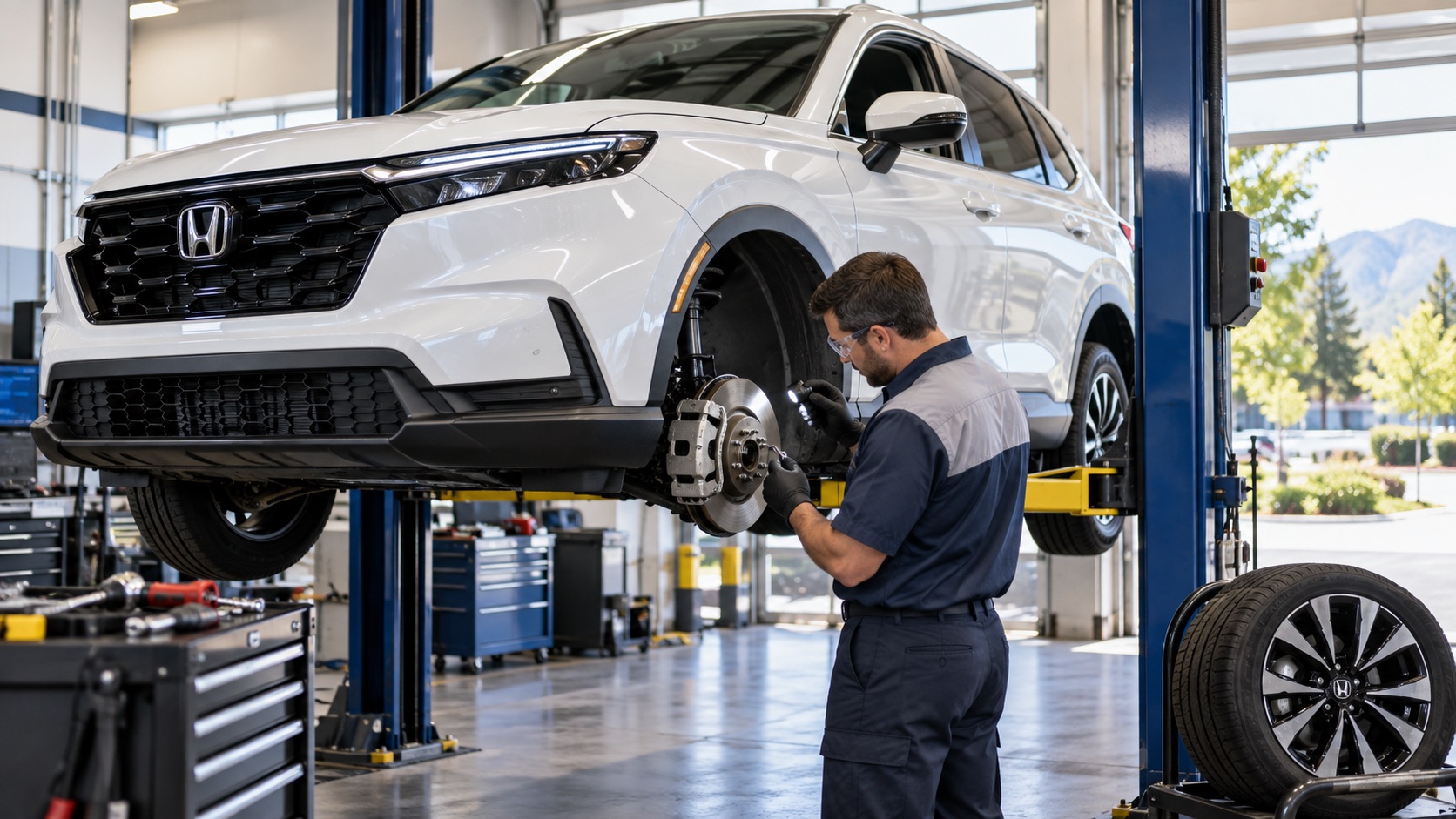
Brake service starts with the system that creates and controls stopping force: friction material, rotors, calipers, hydraulic components, brake fluid, and the hardware that allows those parts to work together. The repair depends on what the inspection shows. Sometimes worn pads are the issue; other concerns involve rotors, a sticking component, hydraulic operation, or more than one part of the system.

What Happens During Brake Service?
Brake symptoms overlap. A noise does not automatically mean one specific part has failed, and a vibration does not tell us by itself which repair is appropriate. We use the symptom as the starting point and let the inspection determine the repair.
Describe What Changed
Tell us what you hear or feel, when it happens, and whether the braking response has changed. That gives the inspection a useful starting point.
Inspect Brake Wear
We inspect the friction material and related brake components, including pad or lining wear and the condition of the braking surfaces and hardware.
Check System Operation
Calipers, hydraulic operation, brake-fluid condition where applicable, and related components are considered when the symptom points beyond normal friction-material wear.
Review the Repair
We explain what the inspection found and which repair addresses it, so you understand what you are approving and why the work applies.
When Should You Have Your Brakes Inspected?
Brake wear does not always announce itself the same way. Some vehicles develop noise first, while others show a change in pedal feel, vibration, or braking response. Any meaningful change from the way the vehicle normally stops deserves an inspection instead of waiting for the symptom to become more pronounced.
A brake inspection is also useful when routine maintenance identifies worn friction material. Fisher Honda and Fisher Acura service procedures include brake-component inspection and brake-lining wear checks as part of applicable maintenance visits, which gives you an opportunity to address wear before it turns into a more urgent concern.
If braking ability becomes significantly reduced, the brake pedal drops unusually far or to the floor, or the vehicle no longer feels safe to stop, do not keep driving it. Arrange for the vehicle to be transported for inspection.
Squealing or Grinding
New brake noise is a reason to inspect the system. The sound alone does not confirm which component needs repair.
Vibration or Pulsation
A vibration felt through the pedal or vehicle while braking gives us another reason to inspect the braking surfaces and related components.
Changed Pedal Feel
A pedal that feels softer, firmer, lower, or otherwise different from normal deserves inspection because several brake-system conditions can affect pedal response.
Pulling or Warning Lights
Pulling under braking or a brake-related warning light calls for diagnosis rather than assuming the cause from the symptom alone.
Start With the Service Department That Fits Your Vehicle
Schedule with Fisher Honda or Fisher Acura, or contact our Boulder service team if you have a brake concern and need help choosing the right service path.
How Often Do Brakes Need Service?
There is no single brake-pad mileage that fits every vehicle. Brake wear changes with the vehicle, braking system, driving pattern, terrain, traffic, load, and how much braking work the friction components do over time. Inspection gives you a more useful answer than replacing parts according to a generic mileage number.
Start With the Brake Material
Pad or lining thickness provides direct information about remaining friction material and whether the brakes are approaching replacement.
Traffic and Terrain Matter
Frequent stopping and repeated braking on grades put different demands on the brake system than long stretches of steady-speed driving.
Uneven Wear Changes the Question
When one part of the system is not operating correctly, wear can become uneven. That is why the inspection covers more than the friction material alone.
Which Brake Parts May Need Service?
Brake repair is not automatically a pad replacement. The inspection identifies which part of the system is worn or contributing to the symptom, then the repair is matched to those findings.
Brake Pads & Linings
The friction material wears as it converts vehicle motion into heat. Its remaining thickness is one of the key pieces of information in a brake inspection.
Brake Rotors
Rotors provide the braking surface the pads clamp against. Their condition matters when deciding whether pad service alone addresses the wear that is present.
Calipers & Hydraulics
Calipers and the hydraulic system apply braking force. A concern in this part of the system can change pedal feel, braking response, or wear patterns and requires diagnosis before repair.
What Determines the Cost of Brake Repair?
Brake-repair cost depends on what the inspection finds. Replacing worn friction material is a different repair from servicing pads and rotors together, correcting a caliper concern, or addressing a hydraulic-system problem. Vehicle design and parts requirements also change the total.
We review the findings before additional work moves forward. You know whether the recommendation involves normal wear, another brake component, or a broader system concern before you decide how to proceed.
Brake Service for the Roads You Actually Drive
Boulder driving can move quickly from in-town traffic to US 36, CO 119, and roads that climb into the foothills. Frequent stops and repeated braking on grades create a different brake-use pattern than steady highway travel, so mileage alone does not tell the whole story about wear.
If you notice a change in brake response after daily commuting, winter driving, or time in the mountains, we inspect the condition that exists now and base the repair on what the system shows. That gives you a concrete answer instead of trying to judge brake condition by age or mileage alone.
6025 Arapahoe Road
Boulder, CO 80303
Brake Repair With the Rest of Your Vehicle in Mind
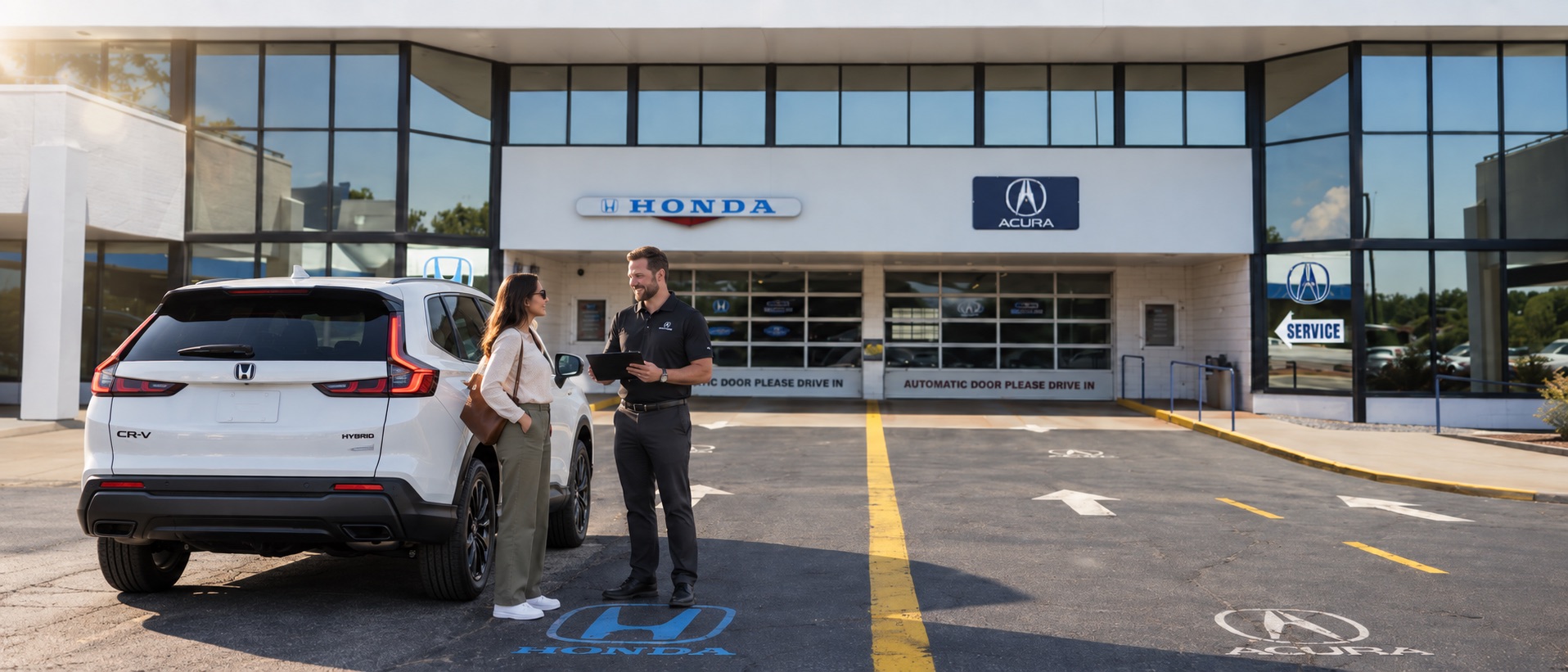
Fisher Auto has been family-owned in Boulder since 1968, and our service operation supports maintenance and repair across a wide range of vehicle systems. When a brake symptom overlaps with tires, suspension, a warning light, or another vehicle concern, you have one service campus where the issue can be inspected in context rather than treating every symptom as an isolated brake-pad replacement.
Family-Owned in Boulder
Three generations of Fisher ownership have supported drivers throughout Boulder and surrounding Front Range communities.
ASE-Certified Technicians
Our service team includes ASE-certified technicians with ongoing training across maintenance, diagnostics, and vehicle repair.
Know What the Repair Addresses
We explain the inspection findings and the work tied to them, giving you a clearer basis for deciding how to proceed with the repair.
Support Beyond the Brakes
Honda and Acura service, multi-make repair, parts support, collision repair, and detailing give you familiar resources as other vehicle needs come up.
Brake Repair & Brake Service FAQs
Get straightforward answers about brake noise, pedal feel, pads and rotors, repair cost, and scheduling brake service in Boulder.
Start With an Inspection, Not an Assumption
Family-Owned Since 1968
Fisher Auto has served Boulder through three generations of family ownership.
ASE-Certified Technicians
Our technicians work across routine maintenance, diagnostics, brake concerns, and other vehicle systems.
Honda & Acura Service
Dedicated Honda and Acura service departments give owners a direct scheduling path for brake inspections and repairs.
Multi-Make Support
Fisher Auto also supports service needs across a wide range of other vehicle makes and models.
Schedule Brake Service in Boulder
If the brakes sound different, feel different, or simply have enough wear that you want a clear answer, schedule an inspection. We will identify what needs attention and explain the repair before the work moves forward.